When it comes to driving performance and innovation, Toyo Tyres has earned a reputation as a trailblazer in the tyre industry. Established in 1945, Toyo Tyres has consistently focused on pushing the boundaries of tyre technology, delivering high-quality products that cater to a wide range of vehicles and driving preferences. In this blog post, we will explore the key features, cutting-edge technologies, and the driving experience that Toyo Tyres offers to drivers around the world.
Section 1: Unraveling Toyo Tyres’ Legacy
Toyo Tyres’ journey began over seven decades ago in Japan, where the company’s commitment to excellence and innovation quickly gained recognition. Over the years, Toyo Tyres has expanded its operations globally, becoming a trusted choice for millions of drivers seeking uncompromising performance and reliability.
Section 2: Cutting-Edge Technologies
2.1. Nano Balance Technology: Toyo Tyres incorporates Nano Balance Technology into its tyre construction, utilizing advanced materials at the molecular level. This technology optimizes the rubber compound’s grip and wear resistance, enhancing overall tyre performance.
2.2. Silent Wall Technology: Toyo Tyres’ Silent Wall Technology reduces road noise and vibrations, ensuring a quiet and comfortable driving experience. This innovative feature is particularly appreciated during long journeys, making it an excellent choice for both daily commutes and road trips.
2.3. Multi-Wave Sipes: Toyo Tyres’ Multi-Wave Sipes provide excellent traction on wet and slippery roads. These zigzag-shaped sipes help improve braking performance, providing greater confidence to drivers even in adverse weather conditions.
Section 3: Toyo Tyres’ Versatile Product Range
3.1. Passenger Car Tyres: Toyo offers a diverse range of passenger car tyres designed to cater to different driving needs. Whether you seek enhanced fuel efficiency, all-season performance, or sporty handling, Toyo has a tyre that matches your requirements.
3.2. SUV and Crossover Tyres: Toyo Tyres’ SUV and Crossover range combines durability, comfort, and excellent handling, making it an ideal choice for urban and off-road adventures alike.
3.3. High-Performance Tyres: For performance enthusiasts, Toyo Tyres delivers high-performance options that excel in terms of cornering grip, responsiveness, and stability, delivering an exhilarating driving experience.
Section 4: Real-World Performance
4.1. Grip and Traction: Drivers consistently praise Toyo Tyres for their exceptional grip and traction on both dry and wet surfaces. The tyres’ stability and confident handling provide a sense of security, especially during spirited driving.
4.2. Durability and Longevity: Toyo Tyres’ commitment to quality materials and construction translates into long-lasting performance. Drivers appreciate the extended tyre life, which ensures a valuable investment.
4.3. Comfort and Noise Reduction: With Silent Wall Technology, Toyo Tyres significantly reduces road noise, resulting in a quiet and comfortable ride. This feature is particularly appreciated during daily commutes and long journeys.
Conclusion:
Toyo Tyres’ dedication to innovation, cutting-edge technologies, and diverse product offerings make them a standout choice for drivers seeking exceptional performance, reliability, and comfort. With a range of tyres catering to various vehicle types and driving preferences, Toyo Tyres remains a top-tier choice for drivers worldwide. Whether you are a performance enthusiast, an urban commuter, or an adventure seeker, Toyo Tyres has the perfect tyre to elevate your driving experience to new heights. Embrace the road with confidence and unleash the true potential of your vehicle with Toyo Tyres.
Tyres are a critical component of any vehicle, providing the essential grip and traction that ensure safe and smooth journeys on roads across the globe. In this blog post, we will explore the world’s largest tyre manufacturers, renowned for their cutting-edge technologies, exceptional product offerings, and commitment to quality and safety. Join us as we take a closer look at these industry leaders and the wide range of tyres they produce.
Bridgestone Corporation:
Bridgestone Corporation, headquartered in Tokyo, Japan, is the largest tyre maker globally, holding a significant market share in various regions. With a rich history dating back to 1931, Bridgestone has become synonymous with innovation and performance. The company offers a diverse product portfolio catering to passenger cars, commercial vehicles, motorcycles, agricultural equipment, and more. Bridgestone tyres are acclaimed for their excellent grip, durability, and fuel efficiency, making them a popular choice among drivers worldwide.
Michelin:
Founded in 1889, Michelin is a French multinational tyre manufacturer known for its pioneering advancements in tyre technology. The company’s focus on research and development has led to the creation of revolutionary tyre designs that prioritize safety, longevity, and fuel efficiency. Michelin’s product lineup encompasses tyres for cars, trucks, motorcycles, bicycles, airplanes, and heavy machinery. Michelin’s reputation for quality and innovation has earned them a place as one of the most trusted and respected tyre makers globally.
Goodyear Tire and Rubber Company:
Goodyear, headquartered in Akron, Ohio, USA, is a household name in the tyre industry. With over a century of experience, the company has established itself as a leading manufacturer of high-performance and durable tyres. Goodyear’s innovative technologies, such as Run-Flat and Air Maintenance Technology, have redefined tyre safety and performance standards. Their extensive range of tyres caters to a wide array of vehicles, from passenger cars to commercial trucks and aircraft.
Continental AG:
Continental AG, based in Hannover, Germany, is another top player in the tyre manufacturing industry. The company’s commitment to research and development has led to a comprehensive range of tyres known for their outstanding performance in various weather conditions. From all-season tyres to high-performance tyres, Continental products are engineered with cutting-edge technologies to ensure safety and comfort. The company is also a key player in the development of eco-friendly and sustainable tyre solutions.
Pirelli:
Pirelli, an Italian multinational company founded in 1872, is renowned for its high-performance and premium tyres. With a focus on motorsport and luxury vehicles, Pirelli tyres are synonymous with precision, speed, and style. The company’s involvement in Formula 1 racing has allowed them to push the boundaries of tyre technology, resulting in exceptional products for high-performance sports cars and luxury sedans.
Conclusion:
The world’s largest tyre makers, including Bridgestone, Michelin, Goodyear, Continental, and Pirelli, are at the forefront of innovation, research, and development in the tyre industry. Their tireless pursuit of excellence has resulted in an extensive range of high-quality products that prioritize safety, performance, and sustainability. Whether you drive a passenger car, commercial vehicle, motorcycle, or even an aircraft, these tyre manufacturers have you covered with their cutting-edge technologies and diverse product offerings. So, the next time you hit the road, rest assured that you have the best tyres from these global leaders ensuring a safe and comfortable journey ahead.
Alignment Experts at Your Service: Get the Perfect Alignment for Your Car
Introduction:
Welcome to Vishvas Tyres, your trusted destination for top-notch wheel alignment and tire care services in Bathinda City. At Vishvas Tyres, we understand the importance of proper wheel alignment for your car’s performance and safety. In this blog post, we will explore the significance of wheel alignment, the benefits it offers, and why our expert services at Vishvas Tyres are your ideal choice for achieving the perfect alignment.
Section 1: The Importance of Wheel Alignment
1.1 Understanding Wheel Alignment:
Wheel alignment is a crucial aspect of vehicle maintenance that ensures all four wheels are set to the manufacturer’s recommended angles. Proper alignment not only improves your car’s handling and steering response but also extends tire life and enhances fuel efficiency. Over time, factors like potholes, road conditions, and normal wear can cause your car’s wheels to become misaligned, leading to various issues.
1.2 Signs of Misaligned Wheels:
It’s essential to be aware of the signs of misaligned wheels. Common indicators include uneven tire wear, your car pulling to one side while driving, vibrations in the steering wheel, and a crooked steering wheel when driving straight. If you notice any of these signs, it’s time to visit Vishvas Tyres for a comprehensive wheel alignment check.
Section 2: Benefits of Proper Wheel Alignment
2.1 Extended Tire Life:
Properly aligned wheels ensure even tire wear across all four tires. When your wheels are misaligned, some parts of the tires experience more friction, resulting in uneven wear. This uneven wear reduces tire life, requiring you to replace them sooner. With regular wheel alignment services at Vishvas Tyres, you can extend the life of your tires and get the most out of your investment.
2.2 Improved Fuel Efficiency:
Misaligned wheels increase rolling resistance, making your car’s engine work harder to move forward. This extra effort results in decreased fuel efficiency, costing you more at the gas pump. Aligning your wheels optimizes fuel efficiency, helping you save money and reduce your carbon footprint.
2.3 Enhanced Vehicle Handling and Safety:
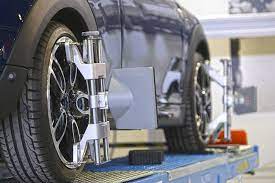
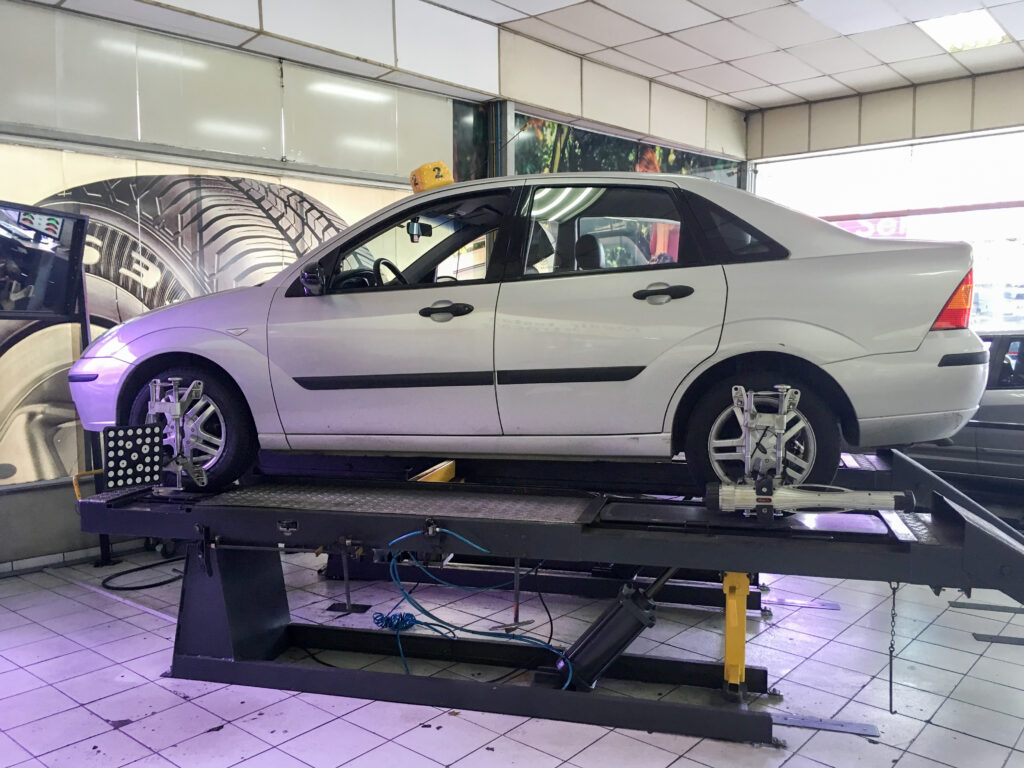
Properly aligned wheels offer better vehicle handling and steering response. Misaligned wheels can lead to a sluggish steering feel and compromise your car’s stability, especially during sudden maneuvers or emergency braking. At Vishvas Tyres, our expert alignment technicians use advanced equipment to ensure your car’s wheels are precisely aligned, enhancing your driving experience and safety.
2.4 Smoother and Quieter Ride:
Misaligned wheels can cause vibrations and noise while driving, making your ride uncomfortable and less enjoyable. By addressing wheel misalignment, you can eliminate these disturbances, providing a smoother and quieter driving experience for you and your passengers.
Section 3: Why Choose Vishvas Tyres for Wheel Alignment?
3.1 State-of-the-Art Alignment Equipment:
At Vishvas Tyres, we take pride in using the latest, state-of-the-art alignment equipment. Our advanced technology ensures precise measurements and accurate adjustments, providing you with the perfect alignment for your car.
3.2 Experienced and Trained Technicians:
Our team of alignment experts at Vishvas Tyres is highly experienced and extensively trained in handling wheel alignment services for various car makes and models. You can trust our skilled technicians to deliver exceptional results every time.
3.3 Customized Alignment Solutions:
We understand that each car is unique, and its alignment requirements may vary. At Vishvas Tyres, we offer customized alignment solutions tailored to your car’s specifications to achieve the best performance and longevity.
3.4 Comprehensive Tire Care Services:
Apart from wheel alignment, we offer a range of tire care services, including tire rotation, balancing, and puncture repairs. With our comprehensive tire care solutions, you can ensure your tires stay in top condition and deliver optimal performance.
Conclusion:
Maintaining proper wheel alignment is vital for the overall performance, safety, and longevity of your car. At Vishvas Tyres, our alignment experts are dedicated to providing you with the perfect alignment to enhance your driving experience. From extended tire life and improved fuel efficiency to smoother handling and safety, the benefits of wheel alignment are numerous. Schedule an appointment with Vishvas Tyres today, and let our team of experts ensure that your car’s wheels are perfectly aligned for the road ahead. Drive confidently with the best alignment services in Bathinda City, only at Vishvas Tyres!
The Ultimate Guide to Buying Second-Hand Tyres: What to Consider
2nd hand tyres near me
Are you looking to save some money on tyres? Second-hand tyres can be a great option. But before you make a purchase, it’s important to know what to consider about 2nd hand tyres for sale and how to ensure that you’re getting a safe and reliable product. In this ultimate guide to buying second-hand tyres, we will cover everything from the advantages of choosing second-hand tyres to the factors you should consider before making a purchase. We’ll also provide tips on where to buy second-hand tyres and how to inspect them for wear and tear. By the end of this guide, you’ll be equipped with all the knowledge you need to make an informed decision when buying second-hand tyres.
Introduction
When it comes to buying tyres, opting for second-hand options has become an increasingly popular choice. Not only does it offer cost savings, but it also promotes environmental sustainability by reducing waste. However, purchasing second-hand tyres requires a bit of knowledge and consideration. Understanding the condition of the tyre, including tread depth and age, is crucial before making a decision. Additionally, knowing the size and compatibility of the tyre is essential to ensure optimal performance. In this guide, we’ll cover everything you need to know about buying second-hand tyres, from evaluating their condition to finding reputable sellers.
What are second-hand tyres?
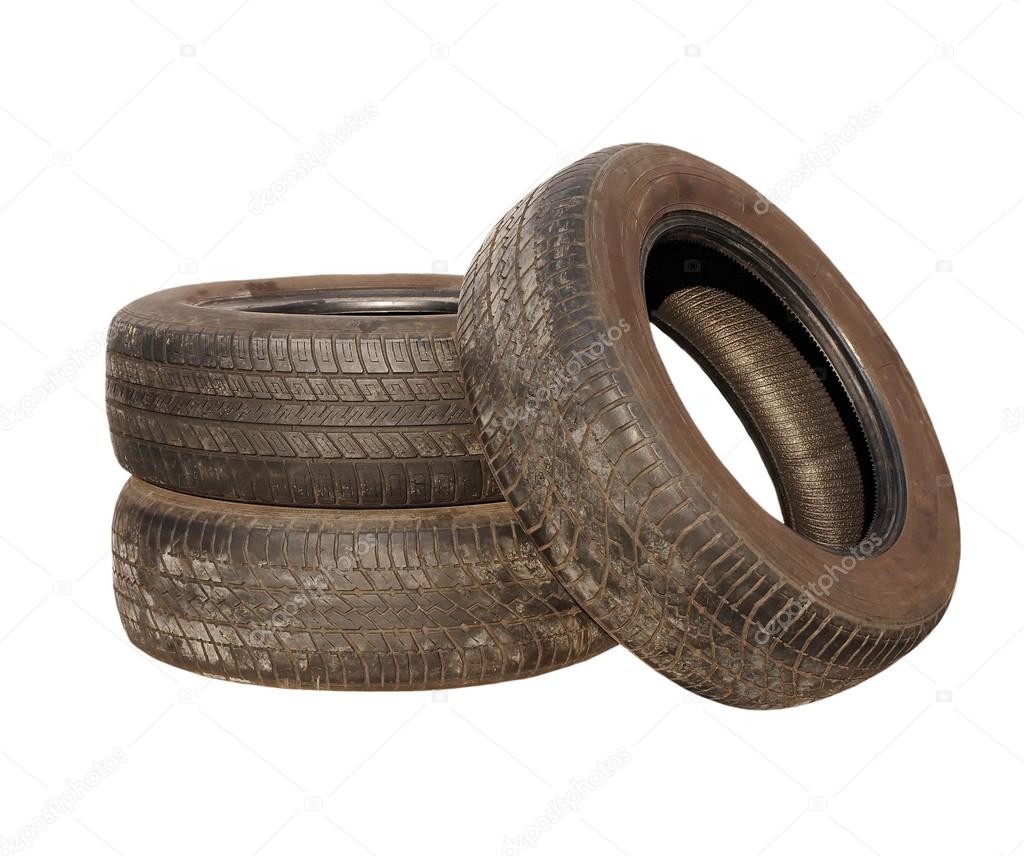
When it comes to buying tyres, second-hand options can be a cost-effective choice. Second-hand tyres are those that have previously been used and removed from vehicles. It’s important to keep in mind that these tyres may have been removed for a variety of reasons, such as wear and tear or a change in the vehicle’s needs. When considering second-hand tyres, key factors to evaluate include the tyre’s age, condition, and tread depth. Additionally, it’s crucial to ensure compatibility with your vehicle model and the local safety standards before making the purchase. By doing so, you can enjoy a safe driving experience while saving money on replacement tyres.
Why choose second-hand tyres?
When it comes to buying tyres, choosing second-hand can be a wise decision. Not only is it cost-effective, but it can also be an environmentally-friendly option that helps reduce waste. Second-hand tyres often have plenty of tread left, making them just as safe and reliable as new ones. However, it’s important to thoroughly inspect the tyre for any visible damage or defects before purchasing. With a little bit of research and careful consideration, second-hand tyres can offer a great value for those on a budget.
Risks associated with second-hand tyres
When buying second-hand tyres, there are risks to keep in mind. As these tyres have been previously used, it’s difficult to know their exact condition or how they were treated by the previous owner. Tyres may have hidden damages that could compromise their safety on the road, such as punctures or cracks. To avoid any accidents caused by these hidden issues, it’s crucial to inspect the tyres carefully before making a purchase. Additionally, it’s important to buy from a reputable seller who has a good track record of selling quality used tyres. By taking these precautions, you can minimize the risks associated with buying second-hand tyres and ensure your safety on the road.
Factors to Consider
When considering purchasing second-hand tyres, there are several factors to consider to ensure that you make a wise investment. One of the most important things to think about is the tread depth of the tyre. It’s crucial to check that the tyre has enough tread left for it to be considered safe and roadworthy. Additionally, it’s essential to inspect the age, condition, and compatibility of the tyre with your vehicle before making a purchase. By taking these factors into account, you can make an informed decision and ensure that you invest in quality second-hand tyres that will serve you well on the road.
Tread depth and wear
Maintaining the right tread depth is crucial for second-hand tyre buyers. The tread depth affects a tyre’s performance, particularly in challenging weather conditions such as rain or snow. Before purchasing any second-hand tyre, buyers should check the remaining tread depth and inspect for even wear across the surface. Uneven wear can indicate issues with wheel alignment or suspension, which may cause safety hazards while driving. It’s essential to avoid tyres with low tread depth or uneven wear to stay safe on the road.
Age of the tyre
When considering second-hand tyres, it’s essential to factor in the age of the tyre. While not immediately apparent, a tyre’s age can greatly affect its performance and safety on the road. Tyres typically have a lifespan of six years, after which they begin to deteriorate and become more prone to blowouts and other safety issues. To determine if a tyre is too old for use, check the DOT code on the sidewall, which indicates the week and year of manufacture. It’s recommended to avoid purchasing tyres that are more than five years old, even if they appear to be in good condition.
Tyre type and condition
When buying second-hand tyres, it is essential to consider the type and condition of the tyre. The type of tyre you need will depend on your driving needs and vehicle specifications. For example, if you drive a truck or SUV, you may require all-terrain or mud-terrain tyres that can handle off-road conditions. On the other hand, if you have a passenger car, you may opt for touring or performance tyres that provide a smooth ride on highways. Additionally, it’s crucial to inspect the condition of the tyre to ensure optimal performance and safety. Be wary of overly worn or damaged tyres as they may compromise your safety on the road.
Size and compatibility
Ensuring that the second-hand tyres you’re considering are the right size and compatible with your vehicle is crucial. Mismatched sizes or incompatible tyres can affect your vehicle’s performance and safety on the road. To avoid any complications, it’s essential to check your owner’s manual or the sidewall of your current tyres for the correct size and specifications. Make sure that the used tyres you’re considering have matching specifications to your existing tyres, such as load capacity and speed rating. If unsure, consider getting a professional inspection before purchasing used tyres to ensure they meet safety standards.
Brand reputation
When buying second-hand tyres, the brand reputation is an essential factor to consider. Well-known brands with a good reputation typically offer higher quality and longer-lasting tyres. It’s important to research the brand’s history, customer reviews, and ratings before making a purchase. Avoid purchasing from unknown or untrustworthy sources as they may sell low-quality or even unsafe tyres. Take into account the type of driving you’ll be doing and select a brand that suits your needs. This will ensure that you get the best value for your money and stay safe on the road.
Where to Buy Second-Hand Tyres
When it comes to buying second-hand tyres, there are several options available. Online marketplaces like eBay and Craigslist offer a wide selection of used tyres for purchase, but it’s important to be cautious and ensure that the seller is reputable. Local tyre shops may also sell inspected and deemed safe used tyres, while automotive salvage yards may offer them at lower prices. Additionally, individuals may sell their used tyres through classified ads or social media platforms, but it’s essential to thoroughly inspect the tyres before making a purchase.
Online marketplaces
Online marketplaces such as eBay and Craigslist are a popular option for purchasing second-hand tyres. With an extensive range of used tyres available, it’s essential to thoroughly inspect the tyres before making a purchase. Check for any cuts, punctures or bulges in the tyre walls as these could potentially cause accidents on the road. When buying from online marketplaces, reading seller reviews and ratings can help you choose a reliable seller. It’s also important to bear in mind that shipping costs can add up, so compare prices carefully and factor this into your budget. Ultimately, safety should always be prioritized over cost savings when selecting used tyres for your vehicle.
Local tyre shops
When searching for second-hand tyres, local tyre shops can be a convenient and reliable option. These shops often have a wide selection of used tyres in stock, and you can inspect them before making a purchase to ensure their quality. Not only does buying from a local shop eliminate the need for shipping costs, but it also allows you to negotiate the price and ask about the shop’s return policy or warranties. By choosing to buy from a trusted local seller, you can feel confident that your second-hand tyres are safe and dependable for your vehicle.
Buy and sell groups
Buy and sell groups can be an excellent option for finding second-hand tyres at a discounted price. These groups, which are typically found on social media platforms like Facebook, often have local members who are looking to sell their old tyres. However, it’s essential to inspect the tyres carefully for signs of wear or damage before making the purchase. Make sure that the tyres match the specifications of your vehicle and don’t hesitate to negotiate the price or ask questions about their history. With due diligence, buy and sell groups can be a great way to save money on quality used tyres.
Direct from sellers
Directly buying second-hand tyres from a seller can be a cost-effective option for those looking to save money. When purchasing from a seller, it’s important to inspect the tyres closely for any damage or signs of wear and tear. Age is also an important factor to consider when buying used tyres as older tyres tend to have a shorter lifespan. Being cautious and diligent while buying from trustworthy sellers with a good reputation can help ensure you get quality second-hand tyres at an affordable price.
How to Inspect Second-Hand Tyres
When inspecting second-hand tyres, there are several crucial factors to consider. Firstly, it’s essential to check the tread depth and even wear across the tyre surface. Look for any signs of damage or punctures, including bulges or cracks. Ensure that the tyres have not been repaired multiple times and verify that they have not exceeded their service life or age limit. Additionally, check for the correct size and load rating for your vehicle. A thorough inspection can help you avoid costly mistakes and ensure that you purchase quality tyres that are safe to use on the road.
Physical inspection
When inspecting second-hand tyres, a physical examination is crucial to ensure your safety on the road. Check for visible signs of damage, such as cuts, bulges or cracks. Nails, screws, and other objects embedded in the tread can cause punctures, so make sure none are present. Using a tread depth gauge, verify that the tyre has enough depth to be safe and legal for road use. Inspect the sidewalls for any signs of damage or cracking that may indicate aging or overuse. Seek advice from a professional tyre fitter if you’re unsure about the quality of a second-hand tyre.
Test drive
Taking a second-hand tyre for a test drive is an essential step in determining its quality and condition. During the test drive, you can check how the tyres perform on different road surfaces and in varying weather conditions. This way, you can detect any unusual vibrations or noises from the tyres that may indicate problems. Additionally, inspecting the tyre sidewalls for bulges, cuts, or cracks is crucial. Checking the tread depth is also vital to ensure that it meets legal safety requirements and provides adequate grip while driving. Overall, taking a thorough test drive ensures that the second-hand tyre is safe and suitable for your vehicle.
Questions to Ask Before Buying Second-Hand Tyres
When considering buying second-hand tyres, it’s essential to ask the right questions. Firstly, you should check the history of the tyre, including its age, mileage and previous usage. Secondly, ensure that tread depth meets legal requirements and is sufficient for safe driving. Thirdly, inspect the tyre for visible damages or defects such as bulges, cuts or uneven wear patterns. Fourthly, make sure that the size and type of tyre match your vehicle’s specifications. Lastly, research the seller’s reputation and read reviews from previous customers before making a purchase decision. By asking these questions, you can ensure that you are making a wise investment in second-hand tyres.
Reason for selling
Understanding the reason behind why a seller is getting rid of their second-hand tyres can provide valuable insights regarding their quality and condition. It’s important to ask the seller about their usage history and any professional repairs or inspections that may have been conducted. If the reason for selling is due to normal wear and tear, the tyres may still be in relatively good shape. However, if the seller is disposing of them due to significant damage or punctures, it would be best to avoid purchasing them altogether. Always inspect used tyres yourself for any signs of wear, damage, or uneven tread patterns before making a purchase decision.
Previous usage history
When purchasing second-hand tyres, it’s essential to consider their previous usage history. Knowing how the tyres were previously used can help you assess their quality and performance. Ask the seller about the age of the tyres, as well as how many miles they have covered. Additionally, consider the climate and terrain where the tyres were previously used to ensure they are suitable for your needs. Always inspect the tyres in person before making a purchase to avoid any surprises. By carefully considering a tyre’s previous usage history, you can make an informed decision and choose a reliable set of second-hand tyres for your vehicle.
Advantages of Buying from Trusted Sellers
When it comes to purchasing second-hand tyres, buying from trusted sellers offers several advantages. Firstly, these sellers often have high-quality tyres that are thoroughly inspected and tested for safety and reliability. Additionally, you can save money by purchasing second-hand tyres from a trusted seller as opposed to buying new ones. You also have access to a wide variety of tyre brands and sizes to choose from. Trusted sellers may offer added benefits such as warranties or return policies, which further reduce the risk of purchasing counterfeit or unsafe tyres.
Tips for Maintaining Second-Hand Tyres
Maintaining second-hand tyres is essential to ensure their longevity and optimal performance. Regularly checking tire pressure, rotating the tyres, and avoiding overloading your vehicle are crucial steps in maintaining second-hand tyres. Keeping an eye out for any signs of wear or damage such as cracks or bulges, will also allow you to replace the tyre if necessary. Proper storage of second-hand tyres can help maintain their quality and lifespan. By following these simple tips, you can maximize the lifespan of your second-hand tyres and keep them performing at their best for years to come.
Conclusion
Buying second-hand tyres can be an affordable and sustainable option, but it’s important to consider the risks and factors before making a purchase. Make sure to inspect the tyres thoroughly for tread depth, age, type, size, and brand reputation. Ask the seller about their reason for selling and previous usage history. Buying from trusted sellers can provide additional peace of mind. After purchasing, maintain your second-hand tyres by regularly checking air pressure and alignment. If you have any questions or concerns about buying second-hand tyres, get in touch with us for expert advice.
All vehicles(motorised) in India have a registration or licence number. The RTO issues a vehicle registration plate number aka number plate for each vehicle. There are 8 types of number plates in total issued by the RTO
tyre pressure monitoring systemTpms sensor benefits for car owners
If you’re one of the many car owners who have been wondering what the TPMS sensor is and what it does, this blog is for you. A TPMS sensor is a device that monitors your car’s tire pressure and alerts you if there is a problem. By monitoring the tire pressure constantly, you can avoid costly tire repairs in the future. In addition to monitoring tire pressure, TPMS sensors can also help drivers improve their fuel economy by warning them when their tires are too low on air. So whether you’re looking to save money on tire repairs or improve your fuel economy, TPMS sensors are a valuable addition to your car’s arsenal. Read on to learn more about the different types of TPMS sensors and where you can install them in your car.
What is a TPMS sensor?
TPMS sensors are small devices that sit on the exhaust pipe of your car. When you start your engine, the sensor checks to make sure all emissions are correct. The system usually lasts around 8 years without any problems, but sometimes they need to be replaced sooner due to wear and tear. If anything is wrong – such as an incorrect air filter or malfunctioning injection pump – the system will alert you and tell you how to fix it. So, why not keep your engine running in top condition with a proper TPMS sensor? It will save you money in the long run, and you won’t have to worry about any pesky emissions problems.
Types of TPMS sensors
There are a variety of TPMS sensors on the market, and it’s important to know the differences between them so you can choose the best option for your car. There are two main types of sensors – mechanical and electronic. Mechanical sensors require a physical connection between the sensor and the vehicle, while electronic sensors work with a computer system in the car. The two main types of electronic sensors are inductive and capacitive. Inductive sensors use a metal coil and a magnetic field to detect the pressure differential, while capacitive sensors use a chip that senses the electric field.
How can TPMS sensors help car owners?
TPMS sensors are a valuable tool for car owners. They can help you track the severity of your tire pressure, which can prevent accidents and save money in the long run. Overall, TPMS sensors are a valuable tool for car owners and should be installed on all vehicles! They also alert car owners when it is time to replace their tires, so they don’t have to worry about it on their own. So, what are you waiting for? Install TPMS sensors on your car today and keep your vehicle safe and running smoothly!
Benefits of installing TPMS sensors in cars
TPMS sensors are beneficial for car owners in a few ways. First, they’re easy to install and affordable. Second, they can help you keep your car running like new by monitoring the brake system. If the sensor detects an issue, it will send a warning to your car’s system. This way, you can avoid costly repairs down the road. Additionally, TPMS sensors protect your car by reporting issues early. This way, you can avoid potential accidents. Finally, installing a sensor is a good way to protect your car’s warranty. So, if you’re thinking of installing a sensor in your car, don’t hesitate – it’s a simple and cost-effective solution that will make your car run better and longer!
TPMS benefits for car owners
For car owners, tire pressure monitoring system (TPMS) sensors are a life-saver. TPMS is a system that monitors tire pressure and notifies drivers when the pressure in a tire is low. This system can help avoid costly repairs and replacements. By installing a sensor, you can avoid the hassle of having to check tire pressure every time you get a new tire. Plus, TPMS sensors can also help you monitor the pressure in your tires for safety. Keep in mind that TPMS doesn’t just monitor tire pressure; it also monitors the tire’s air pressure for safety. So, even if your tire doesn’t have a TPMS sensor, you should still check the pressure in your tires from time to time.
Where can car owners install TPMS sensors?
TPMS sensors are a valuable system for car owners. By monitoring them regularly, they can prevent costly repairs and save money in the long run. Installation is easy and relatively affordable, so it’s a great option for people looking to improve their car’s performance. Tpms sensors can be installed in any number of places, including the engine, fuel tank, and air conditioning system. So, whether you’re looking to save money or just keep your car in good shape, TPMS sensors are a great option to consider.
Direct TPMS vs Indirect TPMS
If you’re the owner of a car, it’s important to know the difference between direct and indirect TPMS sensors. Direct TPMS sensors are connected directly to the car’s OBDII port, while indirect sensors use a transponder in the vehicle to send readings. The main advantage of direct sensors is that they’re more accurate and provide faster response times. However, indirect sensors can still be used with compatible cars, but may require upgraded software or a separate module. So, the choice is ultimately up to you – do you want the most accurate readings, or do you want the easiest installation? The truth is, there’s no wrong answer. The only way to find out is to try both and see which system works best for your car and driving habits.
Where to Buy
TPMS sensors are important for car owners, as they can help in monitoring the health of your vehicle’s tire pressure. The sensors should be kept clean and replaced when required by the manufacturer, and the location of the sensor is also important. Make sure the sensor is placed in a place where it’s easy to see and access, and you’re good to go!
Frequently Asked Questions
What are the benefits of using a TPMS sensor in a car?
If you’re in the market for a new car, then consider adding a TPMS sensor to your purchase. TPMS sensors are important because they help in monitoring the tire pressure and status of your vehicle. This helps you avoid costly flat tires and also cuts down on harmful emissions that come from your car. Additionally, TPMS sensors can also help improve fuel efficiency by detecting when your car needs to be refueled. By knowing when this is happening, you can save yourself time and money on unnecessary trips to the gas station.
Can I replace my TPMS Sensor even if it’s not broken?
Unless you’ve had your TPMS Sensor replaced recently, it’s not advisable to try fixing or replacing it yourself. This is because repairing or replacing a TPMS Sensor can cause further damage and even result in an accident. In addition, after around 10 years the sensor will start malfunctioning. Therefore, it’s best to replace your sensor as soon as possible.
Do I need to reset my system every time there is a change in weather conditions, such as rain or snowfall?
It is not necessary to reset your TPMS system every time there is a change in weather conditions. For example, if it starts raining or snowing, the system will detect this and prompt you to reset the system accordingly.
How do I know if my TPMS sensor is working properly?
If you’re not sure if your TPMS sensor is working properly, there are a few easy ways to test it. 1. If you have a 2006 or newer car, your TPMS sensor is most likely working properly. 2. Dip a cotton swab in mineral oil and put it on the contact point of the sensor for about 5 minutes. 3. Check the OBDII (Onboard Diagnostic II) code “P0740” which stands for “Tire Pressure Monitoring System.”
What should I do if I experience a problem with my TPMS sensor?
If you experience a problem with your TPMS sensor, it is important to take action as soon as possible. This means that you must try to solve the issue yourself before contacting your car manufacturer or the dealership. Then, follow these instructions to reinstall your TPMS sensor: 1. Wet the end of the new Sensor connecting wire in water for about 30 seconds (Do not submerge). 2. Insert Sensor into tire valve stem until Wire is seated against lug nut or washer on wheel rim 3. Put Tire Inflation Pressure Ignition Switch To “OFF” Position 4. Connect New Sensor Connecting Wire To Vehicle Battery Positive Terminal 5. Remove the sensor and clean all the surrounding metal parts with alcohol.
Conclusion
Thanks for reading! In this article, we’ve outlined the benefits of installing TPMS sensors in cars and explained the different types available. We’ve also provided instructions on where car owners can install these sensors and listed the best places to buy them. So, if you’re looking to improve your car’s safety and protect your investment, be sure to install a TPMS sensor!
How to Start a Car Wash Business: Everything You Need To Know
Having a car wash is a great way to keep your vehicle clean and looking good. And with the right business plan and equipment, you can start your own car wash and make a lot of money. In this blog post, we’ll cover everything you need to know to start your own car wash business. We’ll include information on process, financing, equipment, cost, types of washes, and more. So armed with this information, it’s time to get started!
What is a car wash?
When it comes to starting a car wash, there are a few things you need to know. For starters, a car wash is simply a place where customers can get their car washed. All you need are some basic supplies and the willingness to work hard. Keep your rates low by using quality water and detergents, and be sure to offer excellent customer service! Location is also crucial – try to find a spot that’s convenient for customers and build your business around that premise. Be sure to advertise your business and build a loyal customer base. A car wash is a great way to earn an income – it’s simple and easy to start!
The process of starting a car wash business
Starting a car wash business can be a great way to make some extra money. There are a few things you’ll need before getting started, but the process is relatively straightforward. First, you’ll need an owner’s manual, insurance, and permits. Next, select a car washing location and acquire the necessary equipment. From there, it’s time to get to work – setting up your business structure, daily operations, marketing strategy, employee training, and customer service guidelines are all important parts of a successful car wash business. Make sure to complete a CARWASH MANAGEMENT PLAN to keep everything organized and on track. With the right planning and a bit of hard work, car washes can be a great way to make a living.
Financing options for starting a car wash business
Starting a car wash business can be a great way to make some extra money. There are many financing options available, so it’s important to choose the right one for you. Make sure to research the rates and terms of each before choosing an option. Once you’ve chosen a plan, start planning your marketing strategy and get ready to launch your car wash!
Equipment needed for a car wash
Starting a car wash business is a great way to make some extra money. The key is to acquire the right equipment and get it in good condition. Here are the main items you’ll need: a car, washing machine, and soap. Make sure the washing machine has high water pressure and sufficient drainage capacities. The car needs to be large enough to accommodate all the cars that will be washed at one time. And of course, choose the right soap – it needs to be quality and healthy for customers. Follow these tips and you’re on your way to a successful car wash business.
How much does a car wash cost?
Starting a car wash business can be a great way to make money. It just takes some planning and effort. Here are some tips to help you get started:
Types of car washes
There are a variety of car washes out there, each with its own benefits and drawbacks. Before deciding to start your own, it’s important to understand the different types and choose the one that’s right for your location and circumstances. There are two main types of car washes – franchised and self-service. Franchised car washes tend to offer a higher level of customer service, while self-service car washes are more affordable and simpler to set up. Before starting your own car wash, be sure to research the market and see what kind of equipment is required. Once you’ve made the decision, it’s time to get started! Car washes can be a great business opportunity, but it takes hard work and dedication to succeed. Make sure you have a solid business plan, good marketing skills, and a team of motivated employees before starting up. With a little bit of preparation and effort, starting a car wash business can be a rewarding experience.
Starting a car wash business is an excellent way to make some extra money and have fun at the same time. There are a few things you need to take into consideration before jumping into the fray, such as the type of services you want to offer and the type of vehicle you want your business to focus on. Once you’ve decided on these basics, it’s time to get licensing in place and start hiring workers who have experience in the carwash industry. Once your business is up and running, it’s important to choose the right time to start – during the summer months when people are driving more and their cars need washing more often. So, there you have it – everything you need to know to start a car wash business!
FULL SERVICE WASH
There is no one-size-fits-all answer when it comes to choosing the right size of car wash for your business. However, there are some general tips that can help you make an informed decision. For example, if you are only offering a partial service car wash then it might be best to opt for a small or mini wash instead. On the other hand, if you offer full service car washes then it would be wise to get bigger machines and space in order to accommodate them. It’s also important to decide on the type of service that you want your business to provide – is full or partial service more suited? Once you have decided on this, it will be easier determine how much insurance and advertising work needs doing in order not jeopardize customer safety. And lastly – think about whether getting a standard or full service carwash is most appropriate for your company’s needs and preferences!
Frequently Asked Questions
How do I choose the right type of car wash equipment?
When it comes to choosing the right car wash equipment, it all starts with assessing your location, skills and budget. Once you’ve determined these things, you can choose a type of car wash that is best suited for your needs. For example, if you have experience washing cars and you live in a remote location, you may want to consider a manual car wash. On the other hand, someone who only has basic car washing skills may be better suited for an automatic car wash. You will also need to make a business plan and come up with an investment estimate before starting your car wash. This will help you calculate the cost of installing the necessary equipment and setting up the business. Make sure to equip your car wash with the right car washing equipment such as a washing machine, detergent tank, spray gun etc. There are several types of car washes available on the market, so make sure to choose the one that is best for your needs.
How do I market my car wash business?
To market your car wash business, start by creating a strong online presence. You can do this by setting up your own website and social media accounts, or contracting out services to a reputable company. You’ll also need to come up with a catchy brand name and establish your business as an expert in your field. For example, if you operate a car wash specializing in detailing, you may call your business “The Detailers’ Choice.” Furthermore, it’s a good idea to offer free services to local businesses and non-profit organizations. This way, you can build relationships and eventually attract more customers. Finally, always make it your mission to give back to your community! This will show people that you’re dedicated to helping others and you have their best interests at heart.
What should I do to keep my customers happy?
When it comes to customer service, always be polite and helpful. Make sure to answer your customers’ queries in a timely manner, and keep things tidy and clean so that the customer feels welcomed and appreciated. In addition, offer loyalty discounts to your regulars. Furthermore, good customer service goes beyond just responding to customer queries. It’s about creating a positive customer experience that lasts long after the customer has left your store.
What are the costs of starting a car wash business?
To start a car wash business, you’ll need to budget for car wash fees that range from $5 to $10 per vehicle. You’ll also need to purchase shampoo and soap, buckets and detergents, and a car wash unit. Car washes typically require 10 to 12 hours of operation each day, so it’s important to be prepared for long hours and regular work. Costs vary depending on the type of car wash unit you choose, but expect to spend around $5,000 on all of this startup costs.
Should I charge by the hour or by the number of cars washed?
Charging by the hour is a popular option as it gives you more control over your business. For example, you can decide how much you charge for washing a car, and you don’t have to worry about having enough customers in order to make a profit. On the other hand, charging by the number of cars washed is usually more affordable for small businesses. This is because it’s easier for a small business to get a machine and keep it running than it is for a large business. Charges may vary based on the size of your car wash and the type of machine used.
Conclusion
Starting a car wash business is a great way to make some extra money and gain some valuable business experience. By following the steps listed in this blog, you will be well on your way to a successful car wash business. Make sure to read all the tips and advice carefully before starting your car wash, as not all of it will apply to your specific business. We hope you have found this blog helpful and that you will start your own car wash soon!
Tyre war: Apollo wants to overtake MRF and become India’s largest tyre maker.
Apollo Tramplr motorcycle tyres are now available in India. The new range of all-purpose two-wheeler tyres claims to offer better performance & life.
One of the prominent tyre manufacturers in India, Apollo, has launched its new range of products. Badged Apollo Tramplr motorcycle tyres, the new products range for a variety of bikes. Apollo India has introduced two different products i.e. the ‘XR’ and the ‘ST’ range. These tyres are designed to suit bikes ranging between 150-500cc. Meanwhile, the starting price is Rs 4,500 for the set depending on the product.
Apollo Tramplr XR Details
The Tramplr XR is an all-rounder tyre as per the company. Designed to suit every terrain, it is more of an all-purpose tyre. The block design of it focuses on more traction and better performance altogether. Additionally, the sidewall of it has been designed rather tastefully with graffiti. The graffiti describes the aesthetic of the XR i.e. to take on any road without fear.
How to Request Road Side Assistance: A Step-By-Step Guide
Are you stranded on the side of the road, and don’t know what to do? Don’t worry – this blog is here to help! In this guide, we will cover everything you need to know about roadside assistance, from the different types of assistance available to when to call for assistance. We’ll also provide a step-by-step guide on how to request roadside assistance, as well as how to know if you need it in the first place. So whether you’re stuck in a dead end or running out of fuel, read on to get all the information you need!
What is roadside assistance?
If you find yourself stranded on the side of the road, don’t panic. roadside assistance is a service offered by many car manufacturers and it can come in handy times. Here’s what you need to do to request roadside assistance: identify your vehicle and its Make, model, and year. Send a detailed description of the issue with as much information as possible. Include your registration number (not plates). Once you’ve sent all the information to the service provider, wait for a response. If you don’t receive a response within a reasonable amount of time, reach out again. Remember to keep your car’s registration number handy in case you have to contact the service provider again. roadside assistance is a service offered by many car manufacturers and it can come in handy times.
Types of roadside assistance
Roadside assistance can come in handy when you’re in a bind. Whether you’re experiencing car problems or something else, following these simple steps can get you the help you need. First, make sure to call your insurance company and make a police report. If all else fails, try and get help from a tow truck or another driver. If that doesn’t work, start banging on your car roof or windows to get someone’s attention. If all else fails, start praying to the gods of car repair. In the end, it’s important to be prepared for anything and everything that can happen on the side of the road. So make sure to be well-informed and to have a plan B ready to go!
When should you call for roadside assistance?
It can be a tough situation when your car breaks down on the road. Whether you’re stranded or in a difficult situation, don’t hesitate to call roadside assistance for help. Here’s a step-by-step guide to help you get started:
Purpose of roadside assistance
There are a few things to keep in mind when requesting roadside assistance. Firstly, there are a few ways to request it, so find the one that is best for you and your situation. Secondly, roadside assistance is a service that can be very helpful in times of emergency. So, it’s important to know how to request it and have the right information – including your location and vehicle – when you do. Finally, always be respectful to the assistance provider and the people they are helping, and thank them afterwards!
How to request roadside assistance?
Roadside assistance can be a life saver, so it’s important to know how to request it. Here is a step-by-step guide to request roadside assistance: 1. Get out of the car and wait for help to arrive. 2. If you don’t have roadside assistance insurance, ask the driver if they need to call police first before proceeding any further with assistance! 3. When you’re in a jam, pull over to the side of the road and place your hazard lights on. 4. Turn off your engine, but keep the car running.
When something unexpected happens on the road, there’s nobody better to call than roadside assistance. Whether you’re stranded on the side of the road, or your car has broken down, roadside assistance is there to help. Here are some tips to help you get the most out of this service: – Always call roadside assistance as soon as possible – it’s better to be safe than sorry. – Provide as much information as possible to the operator, so they can help you out as quickly as possible. – Keep your cool during emergency calls – roadside assistance is a resource, not a bill collector. Don’t argue or argue about fees – just pay them and thank them for their help.
Emergency roadside service FAQs
If you ever find yourself in a situation where roadside assistance is required, it can be helpful to have someone with knowledge on hand. Moreover, make sure to keep an eye out for emergency services signage. This will help direct you to the nearest service station or police station. Also ensure that you are fully prepared before starting your journey – this includes having all necessary documentation (driver’s licence, proof of insurance and car registration). Remain calm and collected during the whole process – even if things get tough along the way!
Do I have Emergency Roadside Service coverage?
One of the most important things to do when you’re in a car accident is to make sure that you are properly taken care of. This means getting emergency roadside assistance as soon as possible. There are various factors to take into account before requesting emergency services: does your vehicle have breakdown service coverage? Is the reason for your request an emergency or not? And finally, where would you like help sent? By knowing these details, you can be more prepared and have a better chance of receiving appropriate assistance on-the-spot.
How much does it cost to add Emergency Roadside Service to my policy?
When you find yourself in a perilous situation, the last thing you want to worry about is the cost of roadside assistance. However, knowing how much it will cost beforehand can save you a lot of trouble and money down the line. There are a few things to keep in mind before requesting help: your car make, model, year and location; your registration document; proof of insurance; and finally, a photo ID. The price for adding Emergency Roadside Service to your policy will vary depending on which company you choose – so do some research first!
My car isn’t drivable. Now what?
If your car is not drivable, it’s important to take these steps: 1. Make sure to have all of your vehicle’s registration, proof of insurance and driver’s license with you. 2. Calling a tow truck or roadside assistance is the best option. 3. If your car is not drivable, it is important to follow these steps: – Turn off all the lights, remove any obstruction from the exhaust pipes etcetera. 4. There are certain things you can do before calling for help – turn off all the lights, remove any obstruction from the exhaust pipes etcetera
How do I know if a particular service is available in my area?
The best way to find out if a service is available in your area is to use a google search or map. You can also ask friends, family or locals for recommendations. If roadside assistance is an emergency service that you need, do not hesitate to call the police and have them escort you to the nearest AAA office.
What should I say to the driver when he or she arrives to take me and my car away?
When the driver arrives to take you away, you should thank them for their service and ask how much they will charge. Make sure to keep a positive attitude and be polite to the driver – no one wants to deal with someone who’s ungrateful or unpleasant. If the driver is carrying anything valuable like your car key or phone, mention this to them so that they can protect it properly. Finally, provide your contact information in case of any emergency.
How do I politely ask for help when my car is broken down?
If you find yourself in a situation where your car is broken down, the best thing to do is to try and politely ask for help. Here are some things to keep in mind: 1. State your name, the make and model of your car, plate number etc. 2. Ask if there’s any way that you can wait for them nearby until someone arrives. 3. If they can’t help you out immediately, ask if there’s any way that you can wait for them to tow your car or get ice for it. 4. Remain polite and respectful to the people who are helping you out.
What are the three most common scenarios in which I may need roadside assistance?
In the event of a collision or breakdown repair service, it is important to remember to get out of your car and explain what has happened to the nearest RSO. If you break down on the side of the road, follow these simple guidelines to stay safe: – Remain calm and collected. – Drive to the nearest well-lit area with a sign indicating that roadside assistance is available. – Show your driver’s license, registration, proof of insurance, and any other relevant documents to the RSO. – Inform the RSO of the make, model, year, and color of your car.
Need help now?
Road side assistance can be a lifesaver in a pinch. Whether you’re experiencing a tire blowout or something more serious, keeping these tips in mind can make the process a lot smoother. When you notice something is wrong, stay calm and wait for instructions from the authorities. If you’re stuck on the side of the road, follow these simple steps to request assistance:
24/7 Roadside Assistance
If you find yourself in a sticky situation on the road, don’t fret – roadside assistance is just a phone call away. In this guide, we’ll teach you how to request help and make sure everything goes smoothly. First, make sure to provide all the relevant information – like your license plate number and insurance policy number. If you’re successful in summoning help, be prepared to wait up to an hour for it to arrive! Once you’ve called for roadside assistance, the operator will ask you to provide your location and the type of help you need – like changing a tire or getting a tow truck. Good luck, and remember to use this guide to help make your roadside assistance experience a smooth one!
Conclusion
In today’s fast-paced world, it can be hard to keep up with all the changes. That’s why it’s important to know how to request roadside assistance in case of an emergency. This guide covers all the basics of roadside assistance, from the types of assistance available to when to call. If you ever find yourself in a situation where you need help, don’t hesitate to call for roadside assistance! Our 24/7 service is always available to help you out.
For more information on tyres and Services Please Call: 8699520216 (Mobile and Whatsapp)
About Us
Vishvas Tyres, a well-established multi-brand tyre showroom in Bathinda, proudly serving customers since 2013. We offer high-quality tyres &services at competitive prices for all types of vehicles.